.svg)
5 must-read books for anyone facing a burnout
Here are five books that won't fix burnout, but might help you think differently about what you're going through.
These aren't self-help manuals promising transformation in 30 days. They're books that can give you language for things you can feel, but can't name, or that can challenge assumptions you didn't know you were making about life.
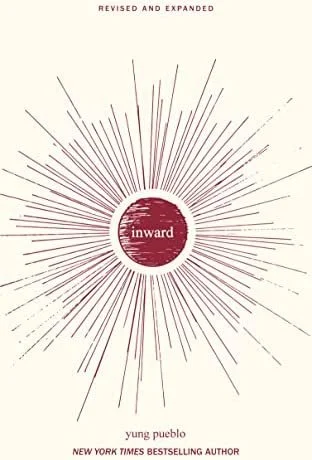
Inward, by Yung Pueblo
This collection of short poems can inspire your own reflections on healing from past hurt, and learning to sit with yourself without distraction. Yung Pueblo writes in simple language about emotional patterns, self-sabotage, and the work of untangling who you've become from who you actually are. It's not about productivity or getting back to work faster. It's about recognizing that burnout lives in your body and mind, not just your calendar.
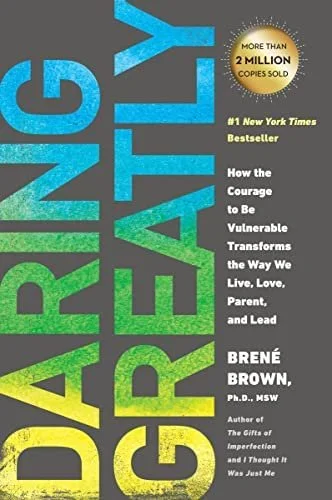
Daring Greatly, by Brené Brown
This book is about vulnerability and shame, which sounds abstract until you're burned out and can't admit it to anyone—including yourself. Brené Brown's research shows how perfectionism and the fear of being seen as weak keep us stuck in unsustainable patterns. The book won't tell you to hustle harder or be more resilient. Instead, it makes the case that pretending you're fine is what's actually breaking you, and that asking for help isn't failure.
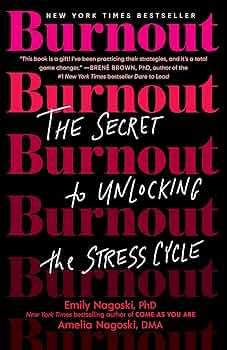
Burnout: The Secret to Unlocking the Stress Cycle, byEmily and Amelia Nagoski
This book explains why telling yourself to "just relax" doesn't work when it comes to burnout. It breaks down the difference between a stressor (the thing causing stress) and the stress itself (the physical response stuck in your body). The book gives you actual methods to recover from burnout or prevent one, based on the concept of the "stress cycle," instead of telling you to practice mindfulness and self-help.
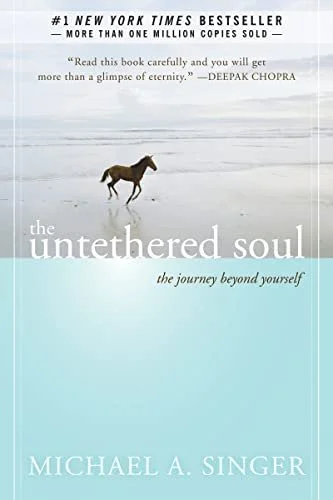
The Untethered Soul, by Michael Singer
This book is about the voice in your head that won't shut up—the one narrating everything, judging you, replaying conversations, planning disasters that haven't happened. It argues that you're not that voice; you're the one listening to it. The book walks through how to create distance between yourself and your thoughts, which matters when burnout has you convinced that catastrophic thinking is just being realistic. It's more philosophical than practical, but sometimes that's what you need.
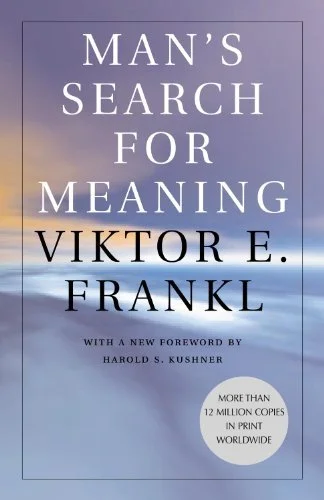
Man’s Search for Meaning, by Viktor Frankl
This book is a classic read, about the author's experience surviving Nazi concentration camps. Frankl's core idea—that meaning matters more than comfort—cuts through a lot of the noise about self-care and work-life balance. When you're burned out, you're not just exhausted; you've often lost the thread of why any of it matters. Frankl doesn't offer easy answers, but he does makes a case that finding purpose can carry you through things that feel unbearable.